Read Between the Linens: How to Spot a B&B You'll Love Before You Ever Arrive
There's a particular kind of traveler who books a bed-and-breakfast the way other people adopt a rescue dog: full of hope, slightly nervous, and armed with a mental checklist they'd never admit to having. We love that traveler. We used to be that traveler.
The truth is, a B&B tells you almost everything you need to know before you hand over your credit card. You just have to know where to look. Here's our honest guide to reading the tea leaves — gathered from years of checking in, checking out, and occasionally checking our own egos at the door.
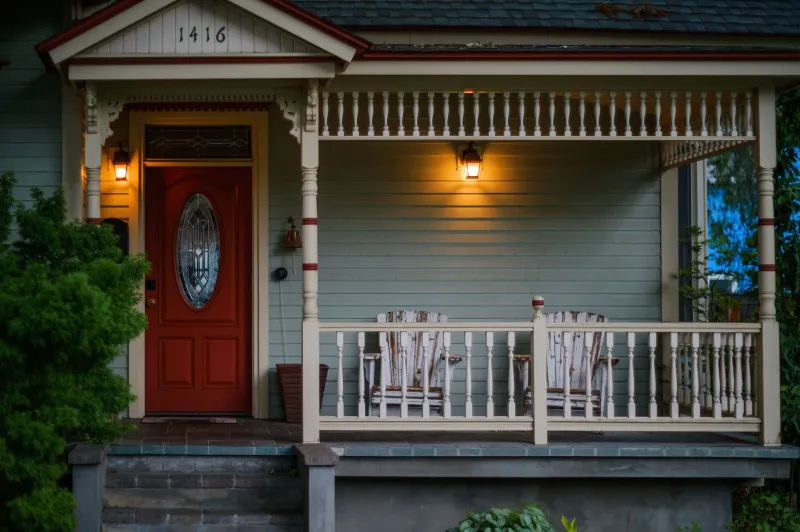
Start With the Photos, But Look Past the Porch Swing
Every inn photographs its best room. That's fine — we'd do the same. The trick is to look at what's around the hero shot.
Is there a photo of the breakfast table set for actual humans? A shot of the garden taken in, say, February rather than peak June bloom? An inn that shows you its off-season self is an inn that's comfortable in its own skin. Glossy, stock-photo-perfect imagery with no real faces or real light? That's a place spending more on the photographer than the mattress.
Also, zoom in. We're serious. You can learn more from the wrinkle in a duvet cover than from any amenity list. Slightly rumpled, clearly lived-in linens signal a place that's real. Everything looking like a catalog insert signals a place you'll be afraid to touch.
The Website Is a Handshake
Read the "About Us" page — not for the inn's history, but for its voice. Do the owners sound like people you'd want to share a coffee pot with? Do they mention the town, the neighbors, the good bakery two blocks over? A B&B that talks about its community is a B&B that's woven into it, and that shows up everywhere: the restaurant recommendations, the beach towels they'll lend you, the shortcut to the lighthouse that isn't on any map.
Now check the fine print. Flexible check-in windows, an honest note about stairs in a historic house, breakfast times that bend for early ferry departures — these are the details of a place that has actually hosted guests, rather than merely imagined them.
Reviews: Read the Three-Star Ones First
Anyone can love a five-star review. The gold is buried in the middle.
Three-star reviews are where travelers negotiate with themselves out loud. "Lovely stay, but the walls are thin — bring earplugs." "Breakfast was delicious, though if you have a gluten issue, plan ahead." These aren't complaints; they're intelligence. A thoughtful owner responding warmly and specifically to a middling review tells you more than twenty glowing ones. "We've since added blackout shades — thanks for the nudge!" is the single best sentence you can read on a review page.
Run, gently, from the opposite pattern: identical responses, defensiveness, or the dreaded "this guest was difficult." Everyone has an off night. What matters is what happens next.
The Questions Worth Asking Before You Book
A quick email exchange will tell you more than ten minutes of website scrolling. Try these:
- "What's the best thing to do nearby that isn't in a guidebook?" A fast, enthusiastic, oddly specific answer means the owners are engaged with their town.
- "My partner is a picky eater — how flexible is breakfast?" The answer reveals both kitchen philosophy and hospitality philosophy.
- "What's the parking situation?" Mundane? Completely. But an inn that answers promptly and plainly will handle every other logistical question the same way.
Notice the response time, too. If it takes three days to get a reply before you've spent a dime, imagine how it goes when the shower goes cold mid-vacation.
Red Flags Worth Respecting
We'll say it plainly, because we'd want someone to say it to us:
- A cancellation policy written like a ransom note.
- No photos of bathrooms. Ever. Anywhere.
- Reviews that all sound suspiciously similar, posted in suspiciously similar weeks.
- An owner who describes the house rules before the welcome.
- "Breakfast is served 8–9 a.m. sharp" at a place advertising itself as a relaxing getaway. Pick a lane.
None of these are dealbreakers on their own. Three of them together? Book the chain hotel and save yourself the heartache.
The Green Flags That Make Us Book Immediately
Handwritten notes in review responses. A dog mentioned by name on the website. Photos of the same rocking chair across four different seasons. A mention of what the inn does for the town — hosting the garden club, donating to the volunteer fire department's clam bake. And our personal favorite: an FAQ that answers questions you hadn't thought to ask yet, like where the nearest ATM is or whether the beach chairs are free.
That's not marketing. That's someone who has sat across the breakfast table from a thousand travelers and remembers what they wondered about.
One Last Thing
The two-night stay is the real test — one night to arrive, one to settle in. But with a little detective work, you can get ninety percent of the way there before you book. Read the middle reviews. Email a question. Zoom in on the duvet.
And if you do all that and still end up somewhere with thin walls and rigid breakfast hours? Well. There's always the porch, the sunset, and the story you'll tell for years. Sometimes those are the best souvenirs anyway.