Pack a Cooler, Leave the Snow Globe: The Coast's Best Edible Souvenirs

Photo by Photo by snap wander on Unsplash on Unsplash
Somewhere in a closet in Ohio, there's a snow globe of a lighthouse that will never be looked at again. We'd like to propose an alternative economy of souvenirs — one measured in jars, coolers, and the smell of a kitchen that briefly becomes a seaside kitchen.
Edible keepsakes are the honest souvenirs. You can't forget them in a drawer. You use them, you taste the trip again, and when the jar is empty you plan the return visit. Here's what actually earns its place in your cooler, and what you should happily eat on the porch instead.
What Travels Beautifully
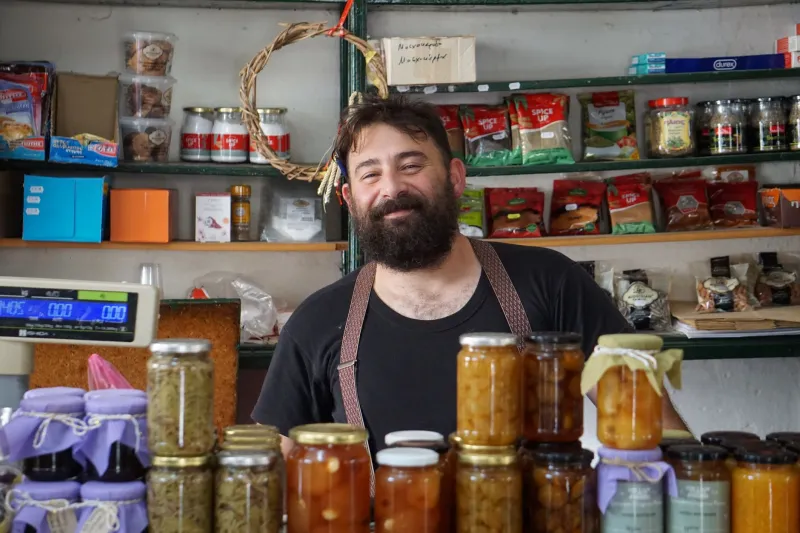
Small-batch jam and preserves. Beach plum, fig, blackberry with bay leaf — coastal jam makers work with fruit most grocery stores have never heard of. Jars are sturdy, sealed, and indifferent to a hot car trunk for an afternoon. Ask the maker what the fruit was and when it was picked; the good ones light up when you do.
Local honey. Coastal wildflower honey tastes different from inland honey — salt-tolerant blossoms give it a mineral edge you can't fake. It travels in any weather, it never spoils, and a spoonful in tea in February is the cheapest plane ticket to summer you'll find.
Sea salt. Harvested from tidal flats or evaporated in small greenhouses, local sea salt is the coast in its most concentrated form. A small tin weighs nothing, survives anything, and will make you insufferable about your scrambled eggs for a year.
Chowder and soup kits. Many fish markets and harbor shops now sell dried or vacuum-packed chowder starter kits — the base, the seasoning, instructions. They're built for travel, and reconstituting a pot of chowder on a snowy Sunday is about as close to time travel as cooking gets.
What to Eat Before You Leave
Be honest with yourself about the following: fresh oysters, anything involving soft-shell crab, cream-filled pastries from the bakery that closes at 2 p.m., and the quahogs from the raw bar. These are porch foods. Terminal foods. Eat them on your last evening with a view of the water, and thank them for their service.
One exception worth the risk: hard smoked fish and shelf-stable smoked salmon spreads from reputable smokehouses travel fine for a day or two if kept cold. If your drive home is under six hours and you've got ice, go for it.
A Few Words With the Makers
We asked a couple of the folks behind our favorite local products what they wish visitors knew. The jam maker on Route 1 told us, "People ask which flavor is most popular. I'd rather they ask which one I eat. That's the answer that matters." (It's the beach plum, for the record.)
The beekeeper down the road put it even more simply: "Buy the honey where you can see the hives from the parking lot. That's how you know it's real." Good advice for any edible souvenir — proximity is the best authenticity check there is.
Cooler Logistics, Quickly
- Pack jars upright in a bag, then in the cooler — brine and jam stains are forever.
- Keep honey out of direct sun; heat doesn't ruin it, but it can loosen lids.
- Salt and dried chowder kits can ride anywhere, including your carry-on.
- Leave a little room. You will find something on the drive home. You always do.
Skip the trinket shop. Fill the cooler. Your future self, stirring chowder in a snowstorm, will be grateful.